// Summarized by Google Gemini based on the original article by David Dubois, published in Harvard Business Review. Read the full article here – https://hbr.org/2024/06/inside-the-success-of-south-korean-brands
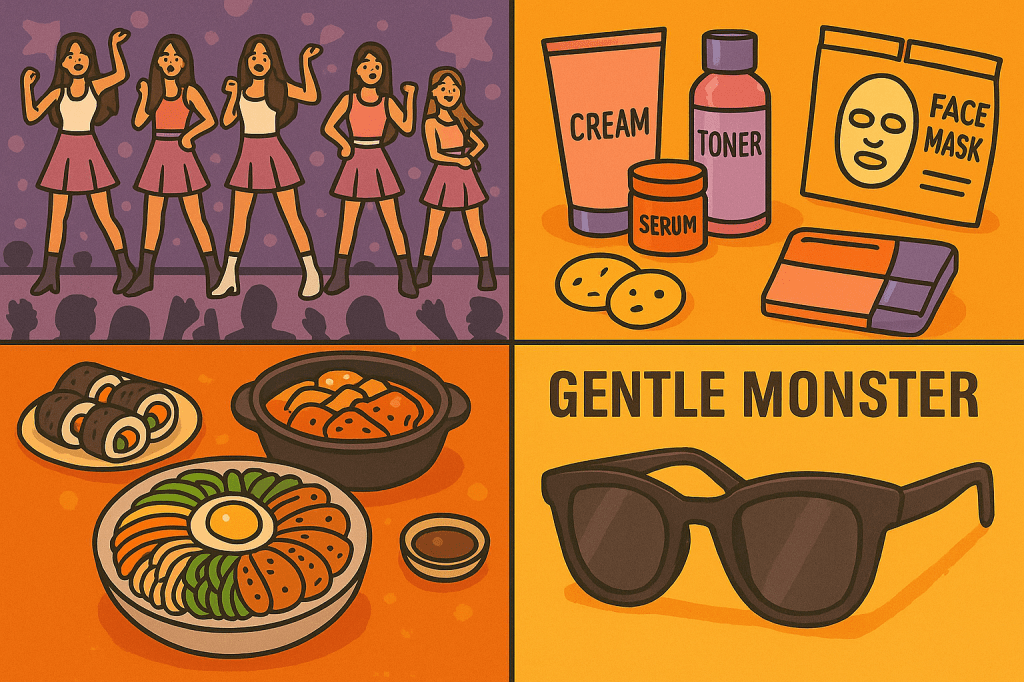
South Korea has become a global cultural leader, moving beyond its previous focus on mid-range goods to become a powerhouse in K-pop, K-drama, film, art, gaming, and K-beauty. This success is not accidental but stems from a two-decade-long strategic effort, initiated by President Kim Young-sam in 1994, to transform the country into a cultural player. This involved substantial government investment, with the culture ministry’s budget significantly increasing and new agencies like the Korea Creative Content Agency (KOCCA) attracting foreign investment.
Beyond governmental support, K-brands share a common recipe for success built on four key pillars:
- Fun and Fast Consumer Discovery: K-brands leverage digital platforms like KakaoTalk Gift and the algorithm of Naver (which prioritizes recent content) to make product discovery quick and engaging. They also excel at using concept stores and art installations (e.g., Gentle Monster) to create “Instagrammable” moments that drive curiosity and accelerate adoption. Governmental agencies also facilitate discovery abroad by adapting products to local tastes.
- Elevating Brands Through Immersive Experiences: K-brands strategically create sensory value to boost customer desire and brand engagement. This is evident in retail, where brands like Ader Error open complementary businesses (e.g., pastry shops) and Amorepacific opens art museums to expand their sensory universe. Within products, Korean webtoons incorporate sound effects, and K-pop utilizes strong visual and choreographed performances to enhance fan experiences and brand appeal.
- Experimentation Throughout the Product Life Cycle: K-brands have a strong culture of experimentation, from co-creation and collaborations at the product inception stage (e.g., Ader Error with Puma, Netmarble with user feedback) to their retail strategies. Seoul is a “pop-up mecca,” allowing brands to test new interaction methods at low cost. Brands like Gentle Monster even extend this experimentation to new product categories (e.g., Tamburins fragrances) to find growth opportunities.
- Promoting Brands Through Content Creation: K-brands understand that the marketplace is a “screen,” and they act as content powerhouses to reach global audiences and effectively tell their brand stories. Examples include Samsung’s short film for its visual aid application, Relúmĭno, and CU convenience store’s popular short-form drama series. This strategy focuses on creating engaging, culturally relevant content that resonates with modern consumers.
For other businesses, the South Korean approach offers a framework to audit brand strategy across these four dimensions: Discovery, Experience, Experimentation, and Content Production, to enhance global appeal and competitive advantage.
3 Takeaways:
- Strategic Government Investment and Support: South Korea’s cultural and brand success is not organic; it’s the result of a deliberate, long-term government strategy that included significant financial investment in the cultural sector and the creation of agencies to foster content creation and attract foreign investment.
- Prioritizing Engaging and Rapid Consumer Discovery: K-brands excel at making product and brand discovery a fun, social, and fast process, leveraging digital platforms, real-world immersive concept stores, and even search engine algorithms that favor new content. This creates a highly dynamic and responsive marketplace.
- Immersive Experiences and Continuous Experimentation are Key: K-brands differentiate themselves by creating rich, multi-sensory brand experiences that go beyond the product itself. They also embed a strong culture of experimentation across all stages of the product lifecycle, from co-creation and customer feedback to the use of pop-up stores and venturing into new product categories, allowing for continuous adaptation and growth.
 Just Write Read Later